Posts

Visual

Image
  This visual shows various facts about college students during COVID pandemic. This clearly indicates that the pandemic has worsened thier college experience and this shows how hard it has been for first generation students. Many first generation students have had to drop out because either they could not afford it or they were unmotivated to succeed. Many student's parents have lost jobs which was their source of income. It has affected thier mental health. 

Research Question & Current Work Cited

Research Question   How has the transition to remote learning affected the student's? How has this transition had a negative or positive effect on college students? If it has positively impacted, what are some coping methods that college students found most useful during this time? How has this transition had a negative effect on college students' mental health? How has it affected the first generation students more than others? How has social isolation changed the defined “belonging” for first generation college students? Bibliography Anderson, Benedict. Imagined Communities: Reflections on the Origin and Spread of Nationalism . Revised, Verso, 2016. Browning, Matthew H. E. M., et al. “Psychological Impacts from COVID-19 among University Students: Risk Factors across Seven States in the United States.” PLOS ONE , edited by Chung-Ying Lin, vol. 16, no. 1, 2021, p. e0245327. Crossref , doi:10.1371/journal.pone.0245327. “Digital Mental Health Interventions for Depression, Anxiety...

Literature Review #3

Image
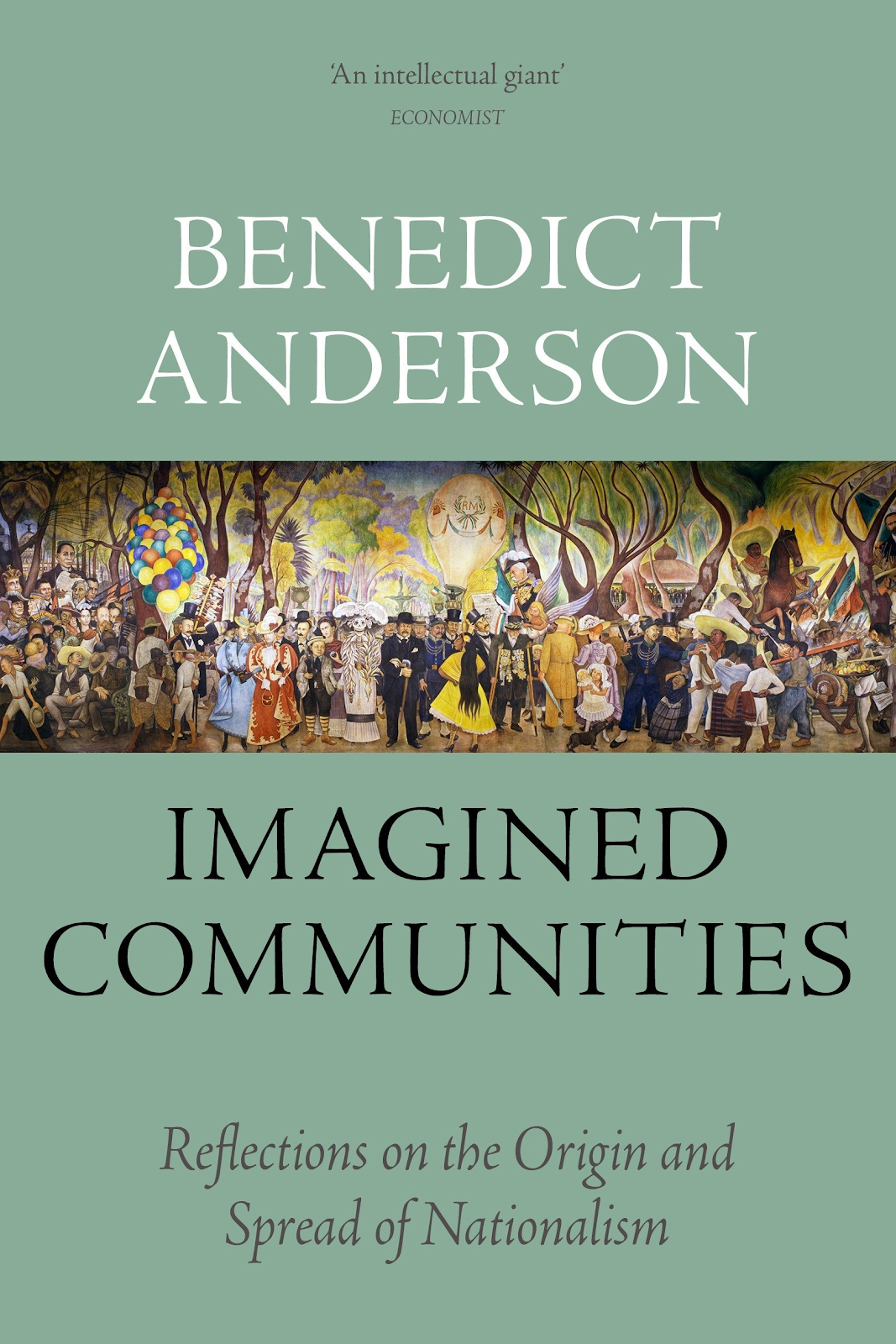
  Imagined Communities: Reflections on the Origin and Spread of Nationalism About the Author  Benedict Anderson was born on August 26, 1936. He had Anglo-Irish father and English mother. Benedict received schooling in California. Benedict Anderson graduated from the University of Cambridge with high honours. He was also awarded a Ph.D. in government by Cornell University in 1967. He was most famous for this book, Imagined Communities.  Citation  Anderson, Benedict Richard O'Gorman. Imagined Communities:  Reflections On the Origin and Spread of Nationalism. E-book, London: Verso, 2006, https://hdl-handle-net.proxy.libraries.rutgers.edu/2027/heb.01609. Accessed 1 Mar 2021. Summary  Benedict Anderson develops the concept of imagined communities in nationalism. The community that he describes is of a nation where people believe that they are part of the community. Entrepreneurs were printing in local languages in order to maximize circulation. He calls nationa...

Literature Review #2

Image
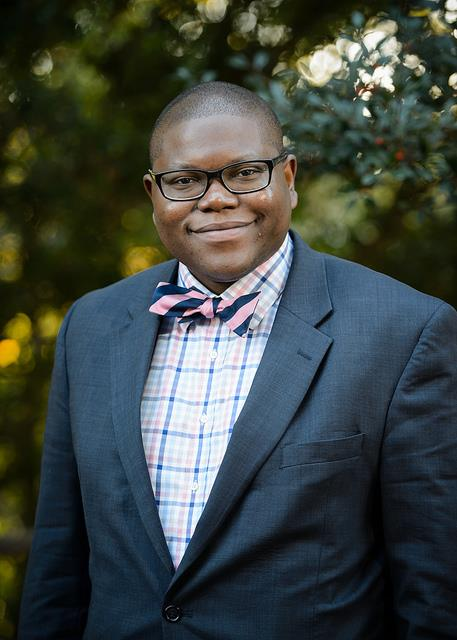
Finding My Way: Perceptions of Institutional Support and Belonging in Low-Income, First-Generation, First-Year College Students. About the Author  Darris R. Means is an associate professor at University of Pittsburgh in Educational Foundations, Organizations, and Policy. He earned his Ph. D at North Carolina State University in Educational Research and Policy Analysis with a concentration in Higher Education. When he wrote this article, he was an associate professor at University of Georgia. Prior to that, he was a n administrator at Elon University for Elon Academy, a college success and access program for students  with financial need or first generation students. He is currently working on a participatory action research study and a multi-phase study. The participatory research is about factors that support black students’ science degree determination. The multiphase study is about postsecondary education access and success for Black youth and the barriers they face.  ...

Research Proposal

A Working or Tentative Title How First Generation Students are Impacted by Social Isolation Topic Description      The most prevalent issue that most people are facing currently is the COVID pandemic. Most people are having to face issues that might have not been so affecting before. The issue for most students and faculty is the transition from in person learning to remote learning. I will be exploring the issue of how social isolation has aggravated the mental health of college students. Furthermore, this paper will help better understand how the transition to remote learning impacted certain sectors of the student population. In addition, due to social isolation these sectors have faced the issue of “belonging” at college. The privatization of public higher education further intensifies this issue because it is a challenge for low income students to prioritize their education during this time where they have additional responsibilities. Research Question How has the tr...

Literature Review #1

Image
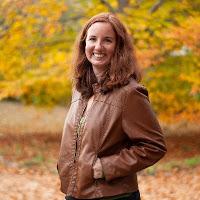
COVID-19 Remote Learning Transition in Spring 2020: Class Structures, Student Perceptions, and Inequality in College Courses About the Authors Alanna Gillis (picture to the left) is an assistant professor at St Lawrence University. She is in the sociology department and graduated with a PhD from UNC-Chapel Hill in May 2020. Gillis does research on inequality in higher education leading to inequality reproduction and examines the behaviors of college students before, during, and after college. Some awards and honors that she received are the Graduate Contributions to the Sociological Scholarship of Teaching and Learning Award,  2020 Tanner Teaching Assistants Award for Excellence in Undergraduate Teaching at UNC, the 2020 Wilson Award for exceptional undergraduate teaching from the Sociology Dept at UNC, and the 2019 SAGE Publishing Keith Roberts Teaching Innovations Award. Laura M. Krull (picture to the right) is an assistant professor of sociology at St. Norbert College in De Pere...

Research Question and 3 Scholarly Sources

Research Question During this pandemic, many students have had to transition their lives from in-person learning to remote learning. How has the transition affected the student's mental health? How has this transition had a negative or positive effect on college students' mental health? If it has positively impacted, what are some coping methods that college students found most useful during this time? If negatively impacted, how has their poor mental health affected their ability to learn? How has the student's mental health affected the people around them (family, classmates, and faculty members)? Why would students prefer in school learning over remote learning or the other way around? 3 Scholarly Sources  Gillis, Alanna, and Laura M. Krull. “COVID-19 Remote Learning Transition in Spring 2020: Class Structures, Student Perceptions, and Inequality in College Courses.” Teaching Sociology , vol. 48, no. 4, 2020, pp. 283–99. Crossref , doi:10.1177/0092055x20954263. Kecojevic...